










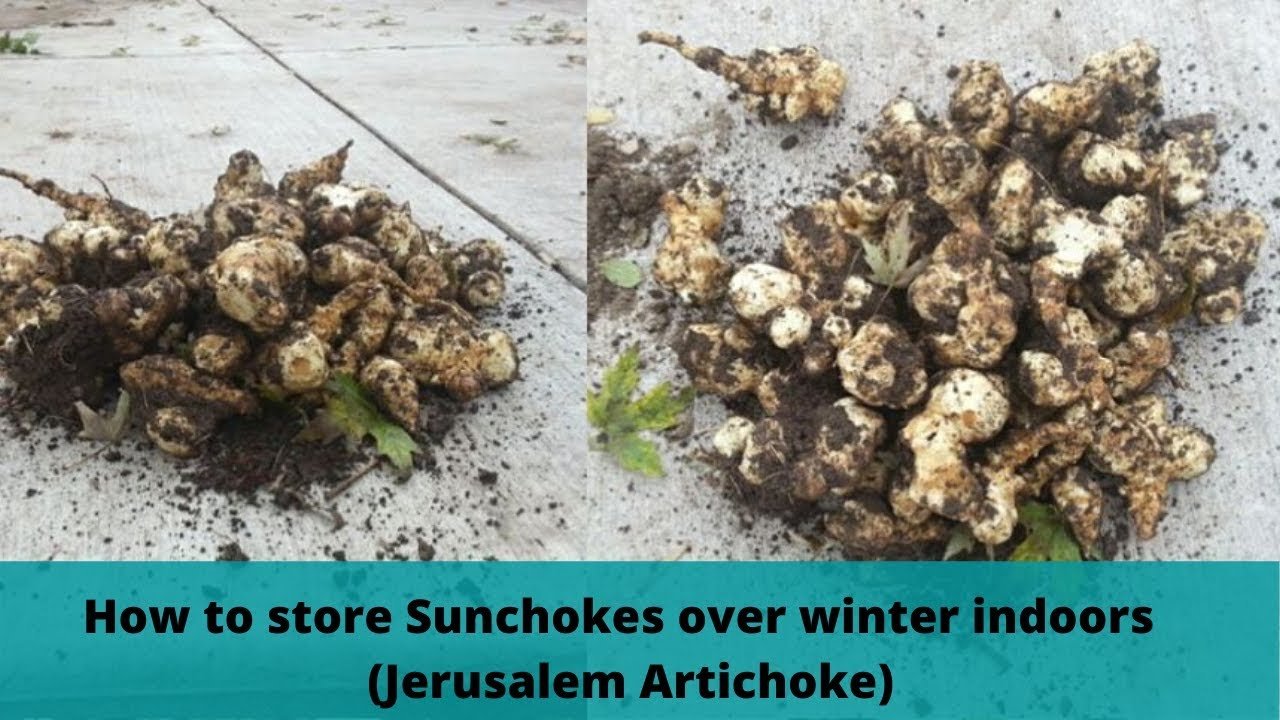
To keep sunchokes fresh for longer, proper storage is key. Whether you’ve harvested a bounty from your garden or picked up a batch at the market, knowing how to store sunchokes correctly is crucial. These knobby tubers can be stored in the refrigerator in a paper bag to maintain their crispness and flavor. Avoid plastic bags, as sunchokes need some airflow to prevent them from getting mushy. Let’s dive into some simple yet effective tips to ensure your sunchokes stay fresh and delicious for weeks to come.

How to Store Sunchokes: Tips for Keeping Your Harvest Fresh
Sunchokes, also known as Jerusalem artichokes, are a delightful and versatile vegetable that can be a great addition to any kitchen. Whether you’ve just harvested a batch of fresh sunchokes from your garden or picked some up at the store, knowing how to properly store them is essential to maintain their freshness and flavor. In this comprehensive guide, we will explore the best practices for storing sunchokes to ensure they stay crisp and delicious for as long as possible.
Understanding Sunchokes
Before we dive into the storage methods, let’s take a moment to understand what sunchokes are and why they need special care when it comes to storage. Sunchokes are tubers that belong to the sunflower family and have a nutty, sweet flavor with a hint of artichoke. They are high in fiber, potassium, and iron, making them a healthy and flavorful addition to your meals.
Harvesting and Cleaning Sunchokes
If you’ve grown your own sunchokes or purchased them fresh from the market, it’s crucial to handle them properly from the start. When harvesting sunchokes, be gentle to avoid bruising or damaging the delicate skin. After harvesting, brush off any excess dirt but avoid washing them until you’re ready to use them. Washing sunchokes can lead to moisture retention, which can cause them to spoil faster.
Storing Fresh Sunchokes
When it comes to storing fresh sunchokes, the key is to keep them in a cool, dry place with good air circulation. Here are some tips to help you store fresh sunchokes properly:
1. Paper Bag Method
One of the easiest ways to store fresh sunchokes is to place them in a paper bag. The paper bag provides a breathable environment that helps prevent moisture buildup, which can lead to spoilage. Make sure the sunchokes are not overcrowded in the bag to allow for air circulation. Store the paper bag in a cool, dark pantry or cupboard away from heat sources.
2. Refrigeration
If you prefer to store your sunchokes in the refrigerator, wrap them in a paper towel to absorb excess moisture. Place the wrapped sunchokes in a perforated plastic bag or a vegetable crisper drawer. Avoid storing sunchokes near fruits that produce ethylene gas, such as apples and bananas, as this can cause them to spoil faster. Check the sunchokes regularly and remove any sprouting or soft ones.
3. Root Cellar Storage
For longer-term storage, consider storing sunchokes in a root cellar or a cool, dark basement. Make sure the storage area is well-ventilated and free from moisture. Place the sunchokes in a ventilated container or a wooden crate lined with newspaper to absorb excess moisture. Inspect the sunchokes regularly and remove any that show signs of spoilage.
Preserving Sunchokes
If you have a surplus of sunchokes or want to enjoy them beyond their fresh state, there are several preservation methods you can try. Here are a few ways to preserve sunchokes for later use:
1. Freezing
Freezing sunchokes is a simple way to preserve them for an extended period. To freeze sunchokes, peel and slice them into thin rounds or cubes. Blanch the slices in boiling water for a few minutes, then transfer them to an ice bath to stop the cooking process. Drain the blanched sunchokes, pat them dry, and pack them into airtight containers or freezer bags. Label the containers with the date and store them in the freezer for up to six months.
2. Pickling
Pickling sunchokes is a great way to add flavor and tanginess to these root vegetables. To pickle sunchokes, wash and scrub them thoroughly, then slice them into rounds or spears. In a saucepan, combine equal parts water and vinegar with sugar, salt, and your choice of pickling spices. Bring the mixture to a boil, then pour it over the sliced sunchokes in sterilized jars. Seal the jars and store them in the refrigerator for at least a week before enjoying the pickled sunchokes.
3. Drying
Drying sunchokes can help extend their shelf life and concentrate their flavors. To dry sunchokes, slice them thinly and arrange the slices in a single layer on a baking sheet. Place the baking sheet in an oven set to the lowest temperature or use a food dehydrator. Dry the sunchokes until they are crisp and completely dried out. Store the dried sunchokes in airtight containers in a cool, dark place. Rehydrate the dried sunchokes by soaking them in water before using them in recipes.
Tips for Using Stored Sunchokes
Now that you know how to properly store and preserve sunchokes, here are some tips for using them in your cooking:
1. Roasting
Roasting sunchokes is a popular way to bring out their nutty flavor and crisp texture. Cut the sunchokes into bite-sized pieces, toss them with olive oil, salt, and herbs, then roast them in a preheated oven until golden brown and tender. Enjoy roasted sunchokes as a delicious side dish or add them to salads and grain bowls for added crunch.
2. Mashing
Mashed sunchokes make a creamy and flavorful alternative to traditional mashed potatoes. Boil peeled sunchokes until tender, then mash them with butter, milk, and seasonings of your choice. The result is a rich and velvety puree that pairs well with roasted meats or grilled vegetables.
3. Soups and Stews
Sunchokes add a unique flavor and texture to soups and stews. Cut sunchokes into chunks and add them to hearty vegetable soups or meat stews for a delicious twist. The sunchokes will absorb the flavors of the broth and become tender and flavorful during cooking.
Final Thoughts
Sunchokes are a versatile and delicious vegetable that can be enjoyed in a variety of dishes. By following the proper storage methods and preservation techniques outlined in this guide, you can keep your sunchokes fresh and flavorful for an extended period. Whether you choose to store them in a paper bag, pickle them for a tangy kick, or dry them for future use, sunchokes are sure to add a unique touch to your culinary creations. Experiment with different cooking methods and recipes to fully appreciate the wonderful flavors of sunchokes.
How I Store My Sunchokes
Frequently Asked Questions
How should sunchokes be stored?
Sunchokes should be stored in a cool, dark place with good ventilation. They can be kept in a paper bag or a perforated plastic bag to prevent moisture build-up. Avoid storing them in the refrigerator as it can cause them to become mushy.
Can sunchokes be stored in the freezer?
Yes, sunchokes can be stored in the freezer. To freeze sunchokes, wash and peel them, cut them into desired sizes, blanch in boiling water for a few minutes, then cool in an ice bath before placing them in an airtight container or freezer bag. Frozen sunchokes can last for up to 6 months.
Do sunchokes need to be kept moist when stored?
Sunchokes should be stored in a dry environment to prevent them from sprouting or becoming moldy. Excess moisture can cause them to spoil quickly. It’s important to keep them dry and well-ventilated to maintain their freshness.
Final Thoughts
In conclusion, storing sunchokes properly is key to preserving their freshness. To store sunchokes, keep them in a cool, dark place with good ventilation. Avoid storing them in plastic bags or containers, as they need airflow. Check them regularly for any signs of spoilage, and remove any sprouting or soft ones promptly. By following these simple steps on how to store sunchokes, you can ensure their quality and extend their shelf life.

