










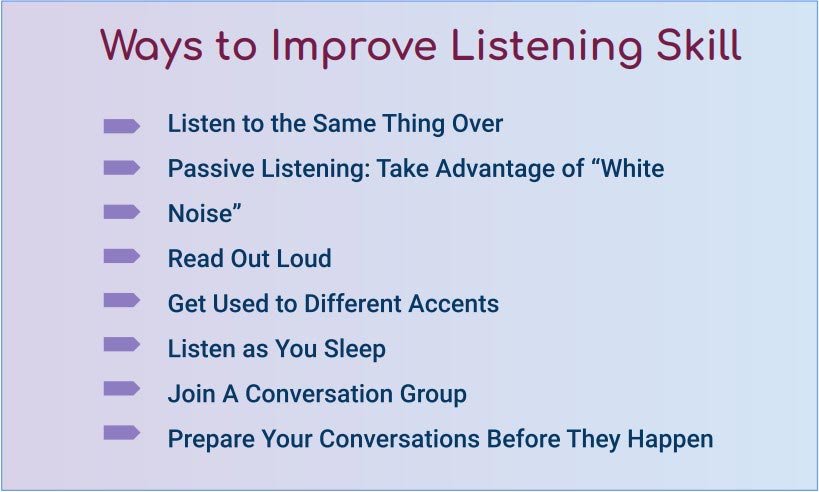
Want to enhance your listening comprehension skills? Start by actively engaging with diverse audio sources. Practice daily, focusing on different accents and speech speeds. Utilize subtitles or transcripts to aid understanding. Consistent exposure to various content types is key to improving listening comprehension. So, are you ready to take the first step in mastering how to improve listening comprehension?

How to Improve Listening Comprehension
Welcome, young learners, to this exciting journey on how to become better listeners! Listening comprehension is a vital skill that helps you understand and interpret spoken language effectively. Whether it’s listening to a teacher in class, following instructions, or enjoying a story, being a good listener will benefit you in many ways. In this article, we will explore various fun and engaging strategies to help you enhance your listening comprehension skills.
The Importance of Listening Comprehension
Before we dive into the tips on improving your listening skills, let’s understand why listening comprehension is essential. When you listen carefully, you not only hear the words but also understand their meaning. This skill is crucial for learning new things, communicating effectively, and succeeding in school and beyond. By improving your listening comprehension, you can become a better student, friend, and communicator!
Tip 1: Stay Focused
One of the key ingredients to improving your listening comprehension is to stay focused. When someone is speaking, try to give them your full attention. Put away distractions such as toys, gadgets, or other things that might take your mind off listening. Look at the speaker, nod your head to show you’re paying attention, and avoid interrupting.
Practice Makes Perfect:
Engage in activities that require you to listen attentively, such as listening to audiobooks, podcasts, or following instructions in a game. The more you practice focusing on what you hear, the better you’ll become at understanding and remembering information.
Tip 2: Improve Your Vocabulary
Having a good vocabulary can significantly enhance your listening comprehension. When you know more words and their meanings, you can better grasp what someone is saying. Make an effort to learn new words every day, and practice using them in your conversations. Reading books and asking adults about unfamiliar words can also help you expand your vocabulary.
Word of the Day:
Choose a new word each day to learn and use in sentences. Try to incorporate this word into your conversations with friends and family. This way, you’ll not only improve your listening skills but also enrich your vocabulary!
Tip 3: Listen to Different Types of Content
Exposing yourself to various types of content can help improve your listening comprehension. Listen to music, watch educational videos, follow along with a storybook, or even listen to the news with your family. Each of these activities presents a unique listening challenge and can expand your understanding of different topics.
Activity Time:
Choose a different type of content to listen to each day of the week. For example, Monday could be music day, Tuesday story day, Wednesday news day, and so on. Discuss what you listened to with a family member or friend to practice summarizing and understanding the content.
Tip 4: Ask Questions
Don’t be afraid to ask questions when you don’t understand something. If you’re listening to a story or a lesson and something doesn’t make sense, raise your hand or pause the audio to seek clarification. Asking questions shows that you are engaged and interested in learning.
Question Time:
After listening to something, write down three questions about what you heard. Then, try to find the answers either by listening again or discussing with a friend. This exercise will not only improve your listening skills but also boost your critical thinking abilities.
Tip 5: Practice Active Listening
Active listening goes beyond just hearing words – it involves understanding the message, empathizing with the speaker, and responding appropriately. To practice active listening, maintain eye contact, nod or respond with relevant comments, and show that you are engaged in the conversation.
Role-Playing Game:
Find a friend or family member to practice active listening. One person can share a short story or experience while the other listens actively. Switch roles and provide feedback on each other’s listening skills. This fun activity will help you become better listeners together!
Tip 6: Take Breaks and Reflect
Listening for extended periods can be tiring, so it’s essential to take breaks and reflect on what you’ve heard. After listening to a lesson or a story, take a moment to summarize the key points in your own words. Reflecting on what you’ve listened to helps reinforce your understanding and retention of information.
Reflection Journal:
Create a listening journal where you write down your reflections after listening to something. Include the main ideas, any questions you have, and how you felt about the content. This practice will not only improve your listening comprehension but also enhance your writing skills!
Congratulations on completing this guide on how to improve your listening comprehension! By implementing the tips and strategies discussed in this article, you are well on your way to becoming a more effective listener. Remember, listening is a skill that can be continuously honed and improved with practice. Keep exploring new ways to listen actively, expand your vocabulary, and engage with different types of content. Your journey to becoming a stellar listener begins now!
Happy listening!
Active Listening Skills
Frequently Asked Questions
How can I improve my listening comprehension skills?
To improve your listening comprehension skills, you can start by actively listening to spoken English frequently. Engaging in conversations with native English speakers, watching English movies or TV shows, and listening to English podcasts or audiobooks are great ways to practice and enhance your listening skills. Additionally, focusing on understanding the context and main ideas of the spoken content, rather than getting stuck on every word, can help improve your overall comprehension.
What are some effective strategies for enhancing listening comprehension?
Some effective strategies for enhancing listening comprehension include practicing active listening, which involves paying full attention to the speaker and trying to understand the message being conveyed. Taking notes while listening, summarizing what you have heard, and listening to a variety of accents and speech speeds can also help improve your listening skills. Furthermore, seeking feedback from others and regularly testing your comprehension through quizzes or discussions can aid in monitoring your progress.
How can I build my vocabulary to improve listening comprehension?
Building your vocabulary is essential for improving listening comprehension. You can expand your vocabulary by reading books, articles, and other written materials in English. Additionally, using vocabulary-building apps, flashcards, and practicing new words in context through conversations or writing can help you become more familiar with a wider range of words and phrases. The more words you know, the easier it will be to comprehend spoken English in various contexts.
Final Thoughts
To improve listening comprehension, practice active listening techniques. Focus on key words and main ideas. Engage in regular listening exercises to enhance your skills. Implement these strategies to boost your overall understanding and communication skills.

